
 Zane Michalle
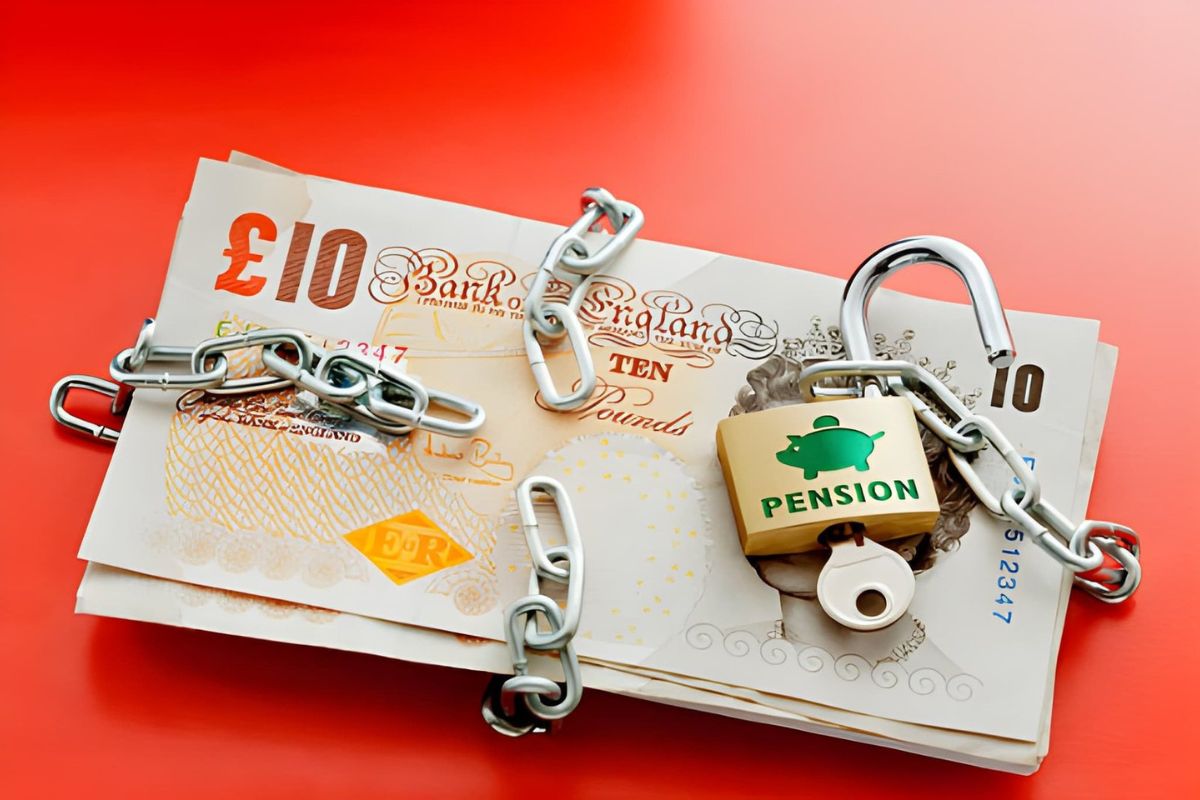
London, April 2026 – With Britain’s election looming and living costs still high, the UK’s state pension triple lock has suddenly become front-page news. Under this policy, pensions rise each April by the highest of inflation, average earnings growth or 2.5%. Both main parties now pledge to keep it: Labour leader Keir Starmer has vowed to honour the triple lock for the next Parliament, and the Conservatives have reaffirmed it (even promising a “Triple Lock Plus” to protect pensioners’ income tax thresholds).
Critics counter that the guaranteed uplifts are financially unsustainable. In Parliament, the scheme has been lauded as “a great achievement of the previous Government” that will be “kept”, but think tanks warn it is “unsustainable, unpredictable and unfair,” adding up to tens of billions extra in spending. The debate is now trending on social media and in news analysis: older voters see the lock as a hard-won promise, while many younger Britons question its cost.
The triple lock was introduced by the 2010–2015 Coalition government to boost pensioner incomes. By law, state pensions must rise at least with wages each year – but the triple lock goes further, legally committing the government to uprate by whichever is highest of: (a) Consumer Prices Index (CPI) inflation in the previous September; (b) average earnings growth over the preceding May–July; or (c) a minimum of 2.5%.
In Practice this has meant large increases when prices or pay spike. For example, after double-digit inflation in 2022, pensions jumped 10.1% in April 2023 and 8.5% in April 2024 – far above the 2.5% floor. (To curb an even bigger bump caused by pandemic distortions, the government temporarily suspended the earnings leg in 2022–23, applying only CPI or 2.5%, yielding a 3.1% rise.) Under current policy, the pensions announced in late 2025 for April 2026 will use 2025 wage and inflation data: with CPI about 3.8% and earnings up 4.8%, the triple lock delivers a 4.8% increase.
This boosts the full new State Pension from £230.25 to £241.30 per week and the basic State Pension from £176.45 to £184.90. (The government’s April 2026 press release touts “up to £575” extra per pensioner under the 4.8% rise.) Note: only the flat-rate pensions enjoy the triple lock; individuals who receive additional state pension elements or who defer their claim get only a CPI increase.
Fiscal impact. The triple lock’s generosity has come at a cost. Independent analysts and the UK’s budget watchdog stress how much more pensions now consume. The Office for Budget Responsibility calculates that by 2029–30 the lock will add roughly £15.5 billion per year to spending beyond what would have applied under a simple earnings index – about three times more than originally expected. Relative to inflation-only uprating, the OBR notes the triple lock adds about £22.9 billion a year by 2030. Likewise, a recent Institute for Fiscal Studies study shows that the full weekly pension (£241) is already about 14% higher than it would have been under wages-only increases, adding roughly £12 billion a year to the 2025–26 budget.
Over the long term, triple-lock indexing is projected to add roughly 0.5–1.6 percentage points of GDP to pension spending by mid-century. In plain terms, keeping the current triple-lock rule in place will cost an estimated £30 billion extra over the coming five years. Critics say this means heavier burdens on taxpayers and younger workers (who fund pensions via National Insurance), at a time when public debt is high. One financial analyst warns the lock “may become unaffordable if pension payouts rise faster than government revenue,” especially given an ageing population.
Proponents counter that the triple lock has substantially improved pensioner living standards. In recent decades, pensioner incomes have climbed to historically high levels. Median pensioner incomes are now well above mid-2000s levels, and only about half as many retirees live in poverty as children do. The state pension’s share of average earnings has rebounded to levels not seen since the early 1980s.
This has also sharply reduced reliance on means-tested top-ups: the proportion of pensioners on Pension Credit fell from 23% in 2010–11 to 12% in 2023–24. Supporters argue the lock helps hard-pressed pensioners keep up with costs, and say it was deliberately introduced to fight poverty. (Indeed, former Pensions Minister Steve Webb notes the UK still has one of the lowest state pensions in the developed world, which the triple lock only partly remedies.) Labour’s Rachel Reeves pointed out recently that the basic pension was already £900 higher than a year before, thanks to the lock. The DWP likewise emphasizes that these above-inflation rises deliver “peace of mind” and dignity in retirement.
Even so, many experts say the current generosity is out of balance. Critics – from economists to think-tanks – highlight growing inequalities. Pensioners overall are now richer than working-age Britons: Resolution Foundation found the typical pensioner household is about £5,000 a year better off than a family of similar size with children. The poorest fifth of pensioners are better off than the poorest fifth of working-age households, in part because pensioners still get major benefits (like the Winter Fuel Payment) while many working-age benefits have been frozen or cut.
Meanwhile, younger cohorts face higher housing and education costs and rising NI bills. Many analysts thus see a generational fairness issue: a 2025 Labour report notes pensioners’ incomes were largely protected by triple-lock uprating, while working-age household incomes fell behind. In absolute terms, triple-lock rises give more cash to those with higher pensions (who contributed more NI), so wealthier retirees tend to gain more per pound paid. In a televised debate, one UK pensioner campaigner flatly said younger people are “headed for pensioner poverty” if the policy continues.
Political debate. The triple lock is politically sensitive: older voters (who vote at high rates) strongly favor it, and wiping it out would trigger backlash. Hence both Tory and Labour manifestos have embraced it. Starmer’s promise was made to cement his lead among seniors: he told the Daily Express he would “guarantee” the triple lock in Labour’s manifesto. Sunak’s Conservatives likewise vowed “to continue to uprate the State Pension in line with the highest of prices, earnings or 2.5%”. In government, Labour ministers have publicly reaffirmed the promise.
In April 2026 Work & Pensions Secretary Pat McFadden announced via press release that state pensions will rise by 4.8% under the triple lock, and Minister for Pensions Torsten Bell told MPs “we are going to be keeping the triple lock… through this Parliament”. Bell even quantified the cost: “That is the £30 billion increase in state pension expenditure over the course of this Parliament,” he noted.
Yet even committed parties face pressure. Labour’s recent decision to cut Winter Fuel Payments for many pensioners – to help finance more generous benefits for children – led to a Tory revolt and backbench motions for a rethink (showing how difficult trade-offs can be). In fact, as the government quietly notes in documents, freezing pensioner tax allowances means some pensioners (even those with minimal private pensions) will pay income tax for the first time.
Any future policy change would be controversial. So far, only minor tweaks have been offered: the Commons Library notes ideas like a “double lock” (tie pensions to the higher of earnings or prices, dropping the 2.5% floor) or smoothing wage spikes with catch-up mechanisms. For now, debate centers on timing: whether to lock in the next increase now or hold it back. Some opposition MPs even tabled a Commons motion in 2024 urging the government to delay the April 2025 pension rise amid soaring inflation and benefit cuts, but ministers insisted on proceeding.



GIPHY App Key not set. Please check settings