
 Zane Michalle
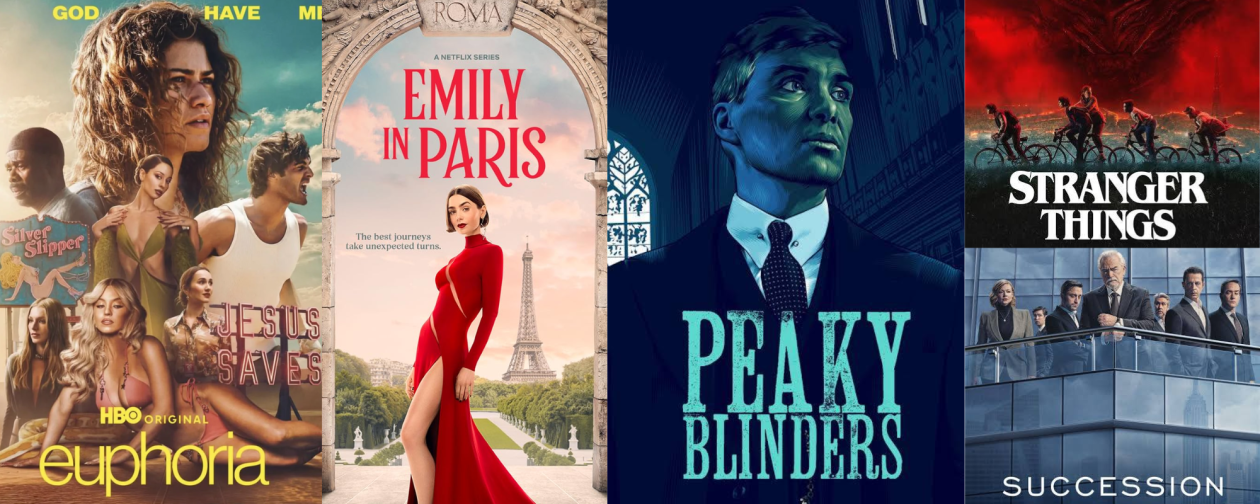
TV isn’t just entertainment anymore; in 2026, it is one of the most influential fashion forces out there. The outfits of popular TV characters aren’t confined to the screen anymore; they jump directly into your shopping cart, into social media feeds, into street style photography, and ultimately onto runways. The era where only couture houses and fashion weeks would be solely responsible for global trends is gone forever; streaming channels have usurped this position at the top table.
The transition has been gradual thus far but has picked up pace rapidly in recent years since streaming services like Netflix, HBO, Paramount Network, and Amazon Prime Video began making high-budget shows where costume design was just as strategic a department as marketing. Each piece of clothing worn by their popular characters was potentially an instant best-seller and a new trend setter.
In this article, we’ll look at the five TV series which continue to reign supreme in terms of fashion influence in 2026. This isn’t about any TV show which enjoyed a viral moment in popularity once; these are long-standing cultural phenomena whose very aesthetics have become integral to global fashion, shaping even fast fashion retail to luxury runway collections and from Gen Z street style to boardroom wardrobes.
Section 1: The Rise of TV-Led Fashion Culture
In order to appreciate what makes some television shows continue to dictate fashion in 2026, one needs to comprehend the transformation that made television into a fashion authority to begin with. Up until recently, fashion occurred on runways and in magazines, with the exception of occasional reflection of those fashions on television. The democratisation of high-quality and cinematic-level storytelling through streaming platforms changed all that.
Unlike broadcast television, streaming services are built around production values, which include clothing. This means that the aesthetics of a TV show becomes a key factor in making it successful, since good visual identity allows for a show to stand out among the growing number of content options available today. Good costumes provide opportunities to post on social media, generate buzz and even search traffic.
TikTok and Instagram turned the process of TV fashion upside down. Previously, one could admire a character’s look and perhaps purchase something similar from their wardrobe in a few months. Not anymore. It’s Thursday night when a character wears a particular thing, but then by Friday morning, fan pages have broken down what was worn, and the following weekend, fast fashion brands start designing the same thing, which becomes available for purchase by customers worldwide after only two weeks. This is something unprecedentedly quick.
Nowadays, costume designers can be described as the unknown designers of the new era. People talk about such personalities like Patricia Field, known for her contribution to defining the style in Sex and the City, or Trish Summerville, who set the mood and style for The Handmaid’s Tale. However, such work is not accidental, and each element of clothes and style is chosen deliberately to reflect the psychological peculiarities of a character, their social background, and the story. Such intentions make the work done by TV costume designers both highly artistic and lucrative.
Recently, the notion of the character aesthetic economy has expanded considerably. It describes the commercial and cultural environment that emerges around the style of a particular fictional character. Fans do not only watch characters; they study their behaviour and style and create their identity inspired by those they admire.
Section 2: Top 5 Iconic TV Series Dominating Fashion Trends in 2026
1. Euphoria: The Blueprint for Experimental Gen Z Fashion
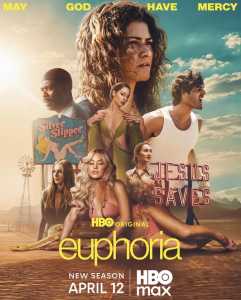
Euphoria was always going to outlast its original broadcast moment. The HBO series introduced a visual language for Gen Z identity expression that was so coherent, so emotionally resonant, and so willing to push boundaries that it essentially created its own genre of fashion. In 2026, its influence remains dominant across festival fashion, nightlife aesthetics, editorial photography, and the broader experimental styling space.
The show’s approach to costume design, led by Heidi Bivens, was rooted in the idea that clothing is a direct expression of psychological interiority. Every character’s wardrobe is a window into their emotional state, their aspirations, and their vulnerabilities. Rue’s dishevelled layers communicate dissociation and numbed sensation. Maddy’s bold cutouts and body-conscious silhouettes project a kind of weaponised femininity. Cassie’s pastel romanticism signals a desperate desire to be perceived as innocent and loveable. Each look is doing narrative and psychological work simultaneously.
The fashion world absorbed these ideas enthusiastically. Bold graphic eye makeup, sequinned tops worn with distressed denim, layered jewellery stacked without restraint, sheer fabrics mixed with structural pieces, and colour-blocked loungewear have all sustained commercial momentum well beyond the show’s initial release cycle. In 2026, these elements have been absorbed into a permanent strand of Gen Z aesthetic identity rather than remaining purely trend-driven.
Euphoria’s influence is also visible in how younger fashion consumers think about dressing. The idea that personal style is a form of emotional communication, that getting dressed is an act of self-narration rather than mere utility, is deeply embedded in how the Euphoria generation approaches fashion. That philosophical shift has long-term implications for how brands market to younger demographics and how designers conceptualise collections aimed at this audience.
The show continues to inspire festival season lookbooks, beauty brand campaigns, and independent fashion designers who cite its aesthetic as a defining reference. In the visual vocabulary of 2026 fashion, Euphoria remains one of the most frequently cited source texts.
2. Succession: The Quiet Luxury Standard That Refuses to Fade
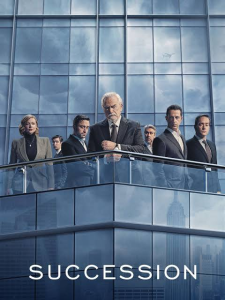
Succession gave the fashion world a name for something it had been struggling to articulate for years. Quiet luxury, the philosophy of dressing with understated, expensive simplicity rather than logo-heavy ostentation, found its perfect fictional embodiment in the Roy family. In 2026, this aesthetic has not merely persisted. It has matured into one of the defining pillars of contemporary luxury fashion.
The series, styled by Michelle Matland, depicted a world in which true wealth announces itself through fabric quality, precise tailoring, and the deliberate absence of visible branding. The Roy family wore cashmere in muted tones, sharp-shouldered blazers in slate grey and navy, perfectly fitted trousers, and leather accessories that communicated cost through construction rather than logos. The message was that people who really belong at the top of the economic pyramid do not need to prove it through conspicuous symbols.
This aesthetic translated directly into commercial fashion at remarkable speed. Sales of neutral-toned cashmere, slim-fit trousers, and quietly luxurious knitwear surged as the show gained cultural momentum. Brands like Loro Piana, Brunello Cucinelli, and The Row, already aligned with this philosophy, saw renewed interest from consumers who recognised their products in the Succession aesthetic. More affordable brands rushed to produce quiet luxury interpretations that brought the look to broader audiences.
In 2026, the quiet luxury trend has become the dominant aesthetic for anyone dressing for professional authority, whether in finance, consulting, media, or technology. The Succession wardrobe essentially codified the visual language of modern elite power dressing. That codification is so thorough that even people who have never watched the show are now participating in its aesthetic logic without realising it.
Corporate wardrobe consultants reference Succession in conversations with clients. Business schools discuss the show in courses on professional communication and personal branding. Fashion journalists continue to return to it as the origin point of the quiet luxury conversation. No other television series has shaped the way professionally ambitious people dress in the 2020s as completely as Succession.
3. Peaky Blinders: Heritage Tailoring and the Menswear Revival
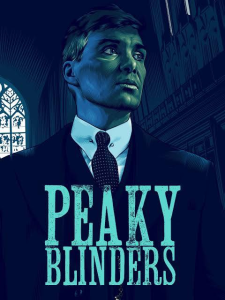
Peaky Blinders accomplished something genuinely rare in contemporary fashion. It made early twentieth century British working-class menswear feel not just relevant but aspirational in the twenty-first century. The show’s visual identity, built around wool overcoats, three-piece suits, newsboy caps, and polished oxford brogues, ignited a heritage menswear revival that continues to shape premium fashion in 2026.
Costume designer Stephanie Colburn created a visual world in which masculinity is expressed through craftsmanship and sartorial discipline. The Shelby family’s wardrobe was built on the tension between roughness and refinement. These were violent men in immaculate suits, and that contradiction gave their look a cinematic power that translated immediately into cultural influence. The aesthetic communicated that real strength does not need to shout. It can be expressed in the cut of a lapel and the weight of a wool overcoat.
The menswear industry responded enthusiastically. Sales of three-piece suits, double-breasted overcoats, and premium wool fabrics surged during the show’s peak years. Independent tailors reported increased interest from younger clients who wanted something structured and heritage-influenced rather than the casualwear and athleisure that had dominated menswear for the previous decade. The Peaky Blinders aesthetic gave permission to young men to invest in formal dressing without feeling out of step with their generation.
In 2026, this influence has evolved into what the industry describes as premium streetwear and formalwear fusion. Young men are combining heritage tailoring pieces, wool overcoats, structured blazers, and wide-legged trousers with contemporary sneakers, oversized knitwear, and modern accessories. The result is a hybrid aesthetic that owes its foundational vocabulary directly to Peaky Blinders while remaining entirely current.
Heritage brands including Barbour, Dents, and various British independent tailors have all benefited from sustained consumer interest in the aesthetic. Peaky Blinders continues to appear in menswear mood boards, editorial shoots, and brand campaign references throughout 2026. Its influence on the visual identity of premium menswear is structural rather than merely seasonal.
4. Stranger Things: 80s Nostalgia and Youth Street Style Permanence
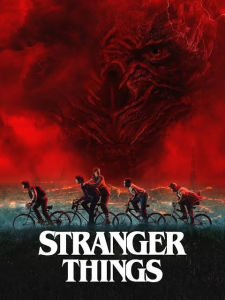
Stranger Things turned 80s nostalgia from a niche vintage aesthetic into a mainstream youth fashion movement. The show’s affectionate recreation of mid-1980s American suburban style, complete with high-waisted denim, varsity jackets, graphic tees, windbreakers, and chunky white sneakers, arrived at precisely the moment when a generation of young consumers was ready to romanticise a decade they had never actually experienced.
The costume design choices in Stranger Things were meticulous in their period accuracy but also deeply aware of which elements would translate most effectively to contemporary audiences. The Hawkins crew’s wardrobe was colourful, layered, and expressive in a way that felt both nostalgic and fresh. Eddie Munson’s metal-influenced styling became a particular touchpoint for alternative fashion consumers, combining denim vests, band shirts, and defiant self-expression into an archetype that resonated powerfully with fans.
In 2026, the 80s revival that Stranger Things accelerated has become a permanent fixture in youth fashion rather than a passing trend. Retro denim cuts, including high-waisted mom jeans and wide-leg styles, remain commercially dominant. Varsity jacket silhouettes continue selling strongly across price points from luxury to fast fashion. Graphic casual wear with vintage-inspired typography and imagery maintains consistent demand in youth streetwear markets.
The show has also sustained commercial partnerships that keep its aesthetic commercially active. Collaborations with Nike, Levi’s, and various streetwear brands have translated the Stranger Things visual identity into direct retail products that function as both fashion items and cultural artefacts for fans. These partnerships ensure that the show’s fashion influence remains commercially measurable long after individual episodes have aired.
Among younger consumers in 2026, the Stranger Things aesthetic represents a kind of warm, communal, pre-digital innocence that carries significant emotional appeal in an era of social fragmentation. The fashion associated with it carries that emotional weight, which explains its remarkable commercial durability.
5. Yellowstone: Western-Core Fashion and the Rugged Luxury Phenomenon
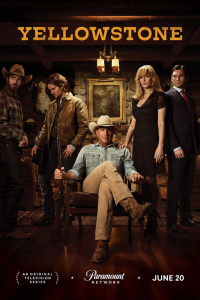
Yellowstone has done for western fashion in the 2020s what Succession did for quiet luxury. It has elevated an entire aesthetic tradition, one previously associated primarily with regional American identity, into a globally recognised premium fashion category. In 2026, western-core fashion is one of the most commercially significant trends in the global market, and Yellowstone is its defining cultural source.
The Dutton family’s wardrobe is built on the visual grammar of authentic American ranch life translated into cinematic beauty. Structured leather jackets, worn denim, heavyweight flannel shirts, shearling coats, cowboy boots, and wide-brimmed hats communicate a relationship with land, labour, and legacy that resonates far beyond its geographic origins. The aesthetic speaks to values of self-reliance, authenticity, and belonging to something larger than individual ambition.
John Dutton’s wardrobe established the archetype of rugged masculine luxury, a look that communicates authority through work-worn materials and functional design rather than tailoring or branding. It is the opposite of Succession’s corporate minimalism but occupies a similar cultural position: the visual uniform of a certain kind of American power.
Beth Dutton brought a different but equally powerful dimension to Yellowstone’s fashion identity. Her character’s wardrobe, a fierce combination of fitted leather pieces, western-accented outerwear, and a styling philosophy rooted in unapologetic femininity and psychological dominance, became one of the most discussed character aesthetics in contemporary television. The Beth Dutton Jacket has become one of the most searched TV-inspired fashion items in 2026, a direct reflection of how deeply the character’s styling has embedded itself in the cultural imagination. Her look represents a fusion of western heritage and modern edge that has no direct equivalent in any other current television series.
In 2026, the Yellowstone aesthetic has influenced fashion at every commercial level. Luxury brands including Ralph Lauren and Stetson have capitalised on the elevated western sensibility. Mid-market retailers have made western-inspired outerwear, leather goods, and denim a core category rather than a seasonal offering. Independent designers working in leather and heritage fabrics have found significantly expanded audiences among consumers whose western aesthetic interest was awakened by the show.
The show has also driven international interest in American western style from markets that previously had little cultural connection to it. European, Asian, and Latin American consumers are engaging with ranch aesthetics through the lens of Yellowstone, creating a genuinely global market for what was once a regionally specific American fashion tradition. That internationalisation of the western aesthetic is one of the most significant long-term consequences of Yellowstone’s cultural reach.
6. Emily in Paris: Playful Luxury and the Aspirational European Aesthetic
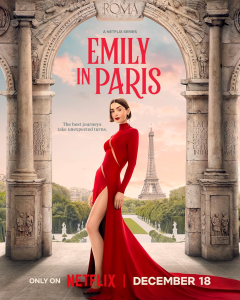
Emily in Paris has attracted a remarkably divided critical response since its launch, but whatever critics argue about its narrative realism, its fashion influence is impossible to dispute. The show created a visual template for aspirational European chic that continues to drive significant commercial fashion activity in 2026.
Costume designer Patricia Field brought her trademark philosophy of maximalist, character-driven dressing to the show with results that proved immediately and durably influential. Emily’s wardrobe is a fantasy of Paris as a colour-saturated, accessory-rich, personality-forward fashion playground. Bold prints, structured mini skirts, statement berets, sculptural handbags, and layered accessories combine into an aesthetic that is simultaneously sophisticated and playful.
The show’s influence is particularly strong in the accessories market. Statement bags, scarves, berets, and oversized jewellery have all sustained commercial momentum directly attributable to Emily in Paris. The show has also driven sustained interest in Parisian and broader European luxury fashion brands among international audiences, functioning almost as a sustained advertising campaign for a certain aspirational vision of French style.
In 2026, the Emily in Paris aesthetic continues to generate significant fashion content online. Travel fashion content tied to European destinations, particularly Paris and Rome, consistently references the show’s visual language. Younger consumers planning their first European trips use the show as a reference point for what to wear, creating a remarkable feedback loop between fictional fashion representation and real-world travel and purchasing decisions.
The show demonstrates that fashion influence does not require critical acclaim. What it requires is a strong, coherent, emotionally appealing visual identity that viewers can imaginatively inhabit. Emily in Paris delivers that completely, and its commercial fashion impact reflects the enthusiasm with which global audiences have embraced its fantasy.
Section 3: Why These Shows Still Dominate Fashion in 2026
The persistence of these five series as fashion reference points in 2026 is not accidental. They share structural qualities that distinguish genuinely influential fashion TV from shows that generate momentary buzz and then disappear from the cultural conversation.
The first quality is strong character identity design. Each of these shows created characters whose wardrobes are so intrinsic to their personalities that the clothes cannot be separated from who the character is. Beth Dutton cannot be imagined in the Succession wardrobe. Rue Bennett’s aesthetic would make no sense in the Emily in Paris world. The integration of character psychology and costume design is so complete that the clothes become a storytelling device rather than mere decoration. That depth is what makes the fashion feel meaningful rather than arbitrary.
The second quality is viral social media amplification. All five shows have generated extraordinary volumes of fashion-specific social media content. Outfit breakdowns, character styling analyses, shopping guides inspired by specific looks, and creative reinterpretations by fashion content creators have maintained active online conversations about these shows’ aesthetics for years after original broadcast. The social media ecosystem around TV fashion is now self-sustaining. Content creators build audiences around character aesthetic analysis, and those audiences create demand for the commercial fashion products those analyses inspire.
The third quality is luxury brand integration in costume design. All five shows have worked with authentic luxury and heritage brands in their wardrobe construction. That integration gives the fashion credibility that elevates it beyond generic TV clothing. When Succession characters wear real Brunello Cucinelli or Loro Piana pieces, and when fashion-literate viewers recognise those references, the show gains fashion authority that reinforces its cultural standing.
The fourth quality is the emotional connection between viewers and characters. People do not just watch these shows. They form relationships with characters over multiple seasons, across years of viewing. That emotional investment translates into a desire to maintain a connection with those characters through fashion. Wearing something inspired by a beloved character is a way of keeping that relationship alive between seasons. That psychological dynamic gives TV fashion influence a durability that pure trend aesthetics cannot replicate.
The fifth quality is the repeatability of outfits in real life. The most commercially durable TV fashion is always practically wearable. The Succession aesthetic works in actual offices. The Peaky Blinders wardrobe functions in real city environments. The Yellowstone look translates to genuine outdoor and semi-formal contexts. Euphoria’s approach to self-expression is achievable with commercially available products. Euphoria’s approach is achievable with commercially available products. When viewers can actually replicate a look in their real lives, the fashion influence becomes commercially actionable rather than merely aspirational.
Section 4: How TV Series Influence the Real Fashion Industry
The influence of these five series on the professional fashion industry operates through multiple simultaneous channels, creating a complex network of commercial and creative feedback loops.
Runway designers have been overtly referencing TV aesthetics for several years. Collections from major houses have cited Succession in press materials when presenting minimalist tailoring lines. Western-inspired collections have explicitly acknowledged the Yellowstone cultural context. Designers understand that naming a cultural reference point helps consumers and press understand a collection’s emotional register and aspirational positioning. TV series provide a shared cultural vocabulary that makes design intent easier to communicate.
Fast fashion replication cycles have compressed dramatically in response to TV-driven trend demand. Major fast fashion retailers now operate what are essentially real-time trend monitoring systems that track social media engagement with specific TV costume pieces and translate high-engagement items into affordable product within days rather than weeks. This compression means that the commercial window between a TV outfit going viral and affordable alternatives being available to consumers has shrunk to almost nothing.
Celebrity stylists have adopted TV character aesthetics as a key reference language in their professional practice. When discussing looks for their clients, stylists routinely reference character wardrobes as shorthand for specific aesthetic territories. A client requesting a Beth Dutton aesthetic for a press event will be immediately understood. A client requesting the Succession look for a board meeting requires no further explanation. TV character aesthetics have become a professional lingua franca in the styling industry.
The screen-to-street styling movement has formalised what was previously an informal consumer behaviour. Fashion media now produces dedicated content specifically translating TV character looks into purchasable outfits at various price points. Shopping guides, get-the-look features, and character wardrobe deconstructions are standard content formats across fashion media platforms. This formalisation has made TV fashion influence commercially legible in ways that generate measurable retail impact.
Retail brands have begun launching TV-inspired collections with formal licensing agreements rather than simply replicating aesthetics informally. These partnerships, which give brands official access to a show’s intellectual property and promotional platforms, create mutually beneficial commercial relationships. The brand gains cultural credibility and access to an engaged fan audience. The show gains commercial partnerships that extend its cultural footprint beyond the screen. As these formal partnerships proliferate, the integration between entertainment and fashion becomes increasingly structural rather than merely coincidental.
Section 5: What This Means for the Future of Fashion
The sustained dominance of these five TV series as fashion reference points in 2026 points toward structural changes in how fashion trends are generated, distributed, and consumed. These changes have implications that extend well into the next decade.
Television is on course to replace traditional fashion forecasting as the primary mechanism through which mainstream consumers learn about and adopt new aesthetic directions. Fashion forecasting services, trend agencies, and trade publications historically played this role, predicting several seasons in advance what colours, silhouettes, and materials would dominate commercial retail. TV series now perform a similar function but with far greater cultural resonance and much faster commercial translation. A single season of a culturally dominant show can establish an aesthetic direction more powerfully than any traditional forecasting report.
Characters are becoming long-term style archetypes that function similarly to the classic archetypes fashion has always referenced, from the working woman to the romantic rebel to the minimalist intellectual. Beth Dutton, Kendall Roy, Tommy Shelby, and their fictional contemporaries are joining this canon of style archetypes. Designers will continue referencing them, consumers will continue identifying with them, and the fashion industry will continue building commercial categories around their aesthetic identities.
Artificial intelligence and streaming will accelerate trend cycles in ways that are difficult to fully anticipate. AI-powered trend monitoring systems can already track millions of social media interactions in real time to identify emerging aesthetic movements. As these systems become more sophisticated, the speed at which TV-driven trends move from screen to commercial retail will increase further. Simultaneously, streaming platforms are experimenting with AI-assisted content recommendation systems that may eventually be able to identify precisely which costume elements in upcoming episodes are most likely to generate commercial fashion interest, allowing for pre-emptive brand partnership development.
The deepest long-term implication is the growing fusion between personal identity and fictional aesthetics. As consumers increasingly construct their identities in conversation with characters they admire, the distinction between dressing as oneself and dressing as inspired by a fictional character becomes increasingly fluid. This is not a trivial development. It has implications for how fashion brands build relationships with consumers, how designers think about the stories their clothes tell, and how the broader culture understands the relationship between clothing and selfhood.
Fashion has always been about identity expression. TV series are now providing the most vivid, widely shared, and emotionally resonant identity templates available in popular culture. The brands, designers, and retailers who understand this dynamic deeply will be the ones best positioned to navigate the next phase of fashion’s evolution.
Conclusion: TV Series Are Permanent Fashion Engines
The five series examined in this piece, Euphoria, Succession, Peaky Blinders, Stranger Things, Yellowstone, and Emily in Paris, are not temporary fashion phenomena. They are permanent fixtures in the cultural architecture that shapes how global audiences understand and relate to style. In 2026, their influence is not fading. It is deepening, becoming more structurally embedded in the fashion industry’s creative and commercial processes.
2026 represents a full integration of entertainment and style in which the boundary between a TV wardrobe and a fashion collection, between a character’s aesthetic identity and a consumer’s personal style, and between fictional aspiration and real-world purchasing behaviour has become functionally invisible. The convergence that industry observers have been predicting for years has arrived.
These five shows continue to define the global aesthetic direction not because they are still producing new episodes that set trends, but because the aesthetic languages they created have become foundational to how contemporary fashion consumers understand their own style identities. That depth of cultural embedding is what distinguishes a genuinely iconic TV series from one that simply attracted momentary attention.
For anyone working in fashion, retail, costume design, or brand strategy, these five series offer the richest available case studies in how visual storytelling creates durable aesthetic movements. For anyone simply trying to understand their own style, they offer five distinct and fully realised aesthetic worlds worth exploring. Either way, their influence in 2026 and beyond is not in question.



GIPHY App Key not set. Please check settings