
 Zane Michalle
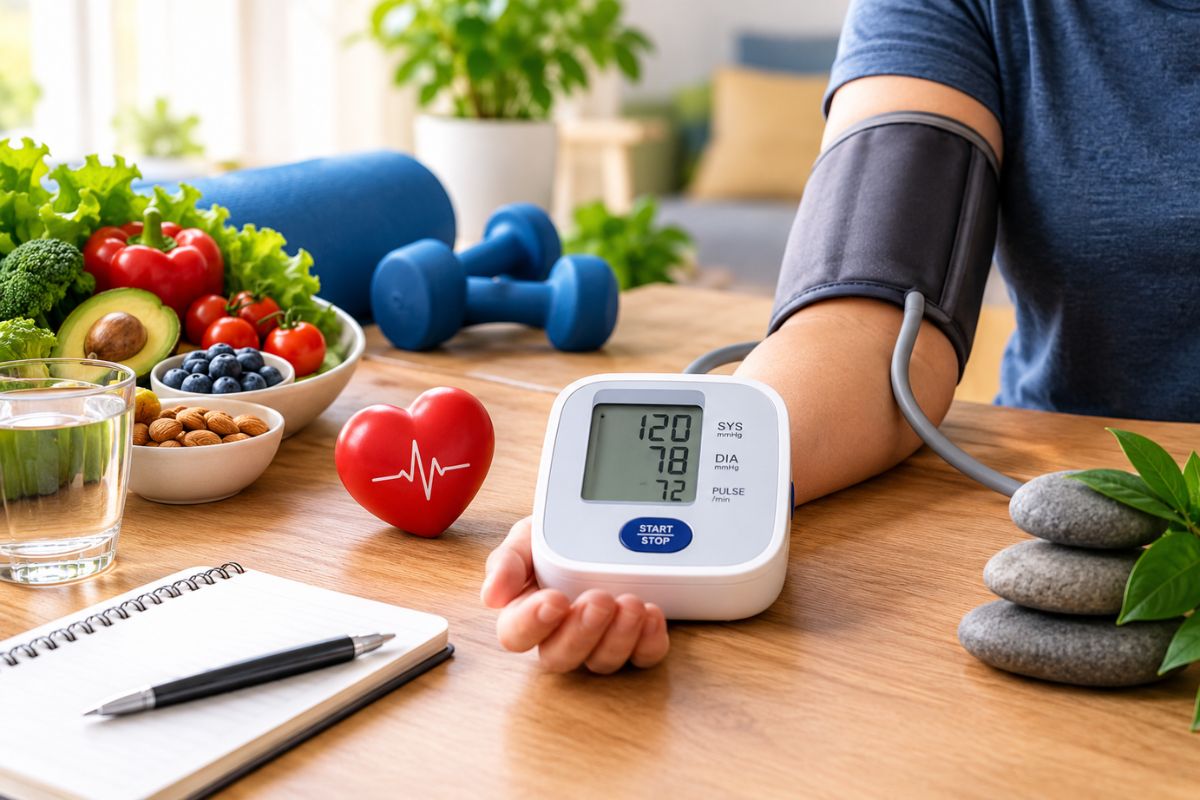
Cut the salt, eat more plants, get moving (about 150 minutes a week), lose weight if you carry extra, drink less, quit smoking, sleep seven to nine hours and find some way to unwind. That’s the whole list, and every source I read for this piece agrees on it. Expect a few weeks before your monitor shows a change. And if your doctor has put you on tablets, keep taking them while you work on all of this.
Why is blood pressure in the news again?
Two things pushed blood pressure back into the headlines over the past year.
First came the World Health Organization’s second Global Hypertension Report, released on 23 September 2025. Its headline number: 1.4 billion people were living with hypertension in 2024, yet only a little over one in five had it controlled, whether through medication or by dealing with modifiable risks. Access is part of the problem. Just 28% of low-income countries said every WHO-recommended hypertension medicine was generally available in pharmacies or primary care. WHO puts the yearly death toll above 10 million, even though the condition is preventable and treatable.
Second, the American Heart Association and American College of Cardiology published a new guideline in August 2025, replacing the 2017 one. The big themes are early treatment, tailoring care with the PREVENT risk calculator (it estimates 10- and 30-year cardiovascular risk), closer monitoring around pregnancy, and a firmer link between blood pressure and brain health. For adults with high blood pressure, it recommends a systolic target below 130 mm Hg, partly to cut the risk of cognitive decline and dementia.
The categories themselves stayed put. Normal is under 120/80 mm Hg. Elevated means 120 to 129 systolic with diastolic below 80, and hypertension starts at 130/80. If you’re overweight or obese, the guideline’s starting goal is at least 5% weight loss.
A quick warning if you’re comparing notes with someone overseas. Targets differ from country to country. A UK consultant cardiologist writing for Spire Healthcare, for instance, describes medication being recommended once readings stay above 140/90 mm Hg despite lifestyle changes. Go with whatever your own doctor tells you.
How much can lifestyle changes really lower blood pressure?
Here are the figures I found across the sources. Treat them as study averages rather than promises. They don’t simply add up, and your own result depends on where you’re starting from.
| Habit | Typical effect reported | Source |
|---|---|---|
| Weight loss | About 1 mm Hg per kg (2.2 lb) lost | Mayo Clinic; Spire Healthcare |
| DASH or Mediterranean-style eating | Up to 11 mm Hg systolic | Mayo Clinic |
| Regular aerobic exercise | About 5 to 8 mm Hg | Mayo Clinic |
| Exercise, people with high blood pressure | 12.26 mm Hg systolic and 6.12 mm Hg diastolic in a Heart Foundation NZ evidence review | Heart Foundation NZ |
| Sodium at 1,500 mg a day or less | About 5 to 6 mm Hg | Mayo Clinic |
| Isometric handgrip training | 8 to 10 mm Hg over eight weeks | Nuffield Health |
Notice the two exercise numbers don’t match. They come from different reviews and different groups of people, so it’s smart to treat any single figure as a ballpark. Why bother with a few points? Heart Foundation NZ says each 10-point drop in systolic pressure cuts the risk of a heart event by 20%.
1. Cut back on salt, mostly the hidden kind
Sodium makes your body hold on to water, and that pushes pressure up. Here’s the catch: most of it isn’t from the salt shaker. The British Heart Foundation, Heart Foundation NZ and Mayo Clinic all blame processed food, including ready meals, soups, sauces, bread, crackers, breakfast cereals and processed meats.
Targets vary a little. Mayo Clinic puts the ceiling at 2,300 mg of sodium a day, with 1,500 mg better for most adults. Heart Foundation NZ and Spire both say 5 g of salt a day, which works out to about 2,000 mg of sodium. Some countries print sodium on labels and others print salt, so check which one you’re reading.
What helps in real life:
- Compare similar products and choose the one with less sodium per 100 g.
- Cook from scratch more often. Herbs, spices, garlic, lemon and ginger do a lot of the flavouring work.
- Make small swaps: chicken for ham, unsalted nuts for chips, lemon juice for soy sauce, vegetable sticks for crackers.
- Ask your doctor about potassium-based salt substitutes, which Mayo Clinic mentions. If you have kidney disease, check first, since potassium builds up more easily when your kidneys aren’t working well.
2. Build meals around plants
The DASH and Mediterranean diets turn up in guidance from every source here. Boiled down, that means plenty of vegetables and fruit, whole grains, beans and lentils, unsalted nuts and seeds, fish and lean protein, and low-fat dairy, with less saturated fat, sugar and red meat.
Dr. R. Kannan Mutharasan, a Northwestern Medicine cardiologist, says diet and lifestyle can be worth as much as one or two blood pressure pills. If a patient’s pressure is raised but not very high, he often proposes three months of lifestyle changes before starting medication.
A few nutrients are worth knowing:
- Potassium helps your kidneys clear sodium and relaxes blood vessel walls. Think bananas, sweet potatoes, spinach, tomatoes, avocados and yoghurt.
- Magnesium relaxes vessels too. You’ll find it in leafy greens, almonds, pumpkin seeds, oats, brown rice and beans.
- Fibre: a Northwestern Medicine dietitian suggests 25 to 35 g a day. Half a cup of raspberries or a cup of oatmeal gives you about 4 g.
- Nitrates from beetroot and leafy greens, which your body converts to nitric oxide.
Two safety points from the same dietitian and cardiologist. If you take a blood thinner such as warfarin, talk to your care team before suddenly eating far more vitamin K-rich foods like leafy greens. And try to get minerals from food instead of supplements, because supplements are checked less strictly.
Watching the budget? Frozen, canned and dried produce is nutritionally comparable to fresh. Go for no-salt-added canned vegetables and fruit packed in juice or water.
3. Move more, and keep moving
Mayo Clinic, the British Heart Foundation and Heart Foundation NZ all land on at least 150 minutes of moderate activity a week. Moderate means you’re breathing harder but can still hold a conversation. Mayo also accepts 75 minutes of vigorous activity instead. Spire’s cardiologist prefers 30 minutes on five days a week, plus muscle-strengthening two to three times weekly (Mayo says at least two days).
No gym needed. Brisk walking, cycling, swimming and dancing all count, and the British Heart Foundation points out that 10-minute chunks add up. Mayo’s warning is the one to remember: you have to keep at it, because the benefit fades if you stop.
You may have seen isometric handgrip training mentioned online. Nuffield Health’s head of preventative medicine describes a routine with a handgrip device: four two-minute squeezes per hand on alternate days, with reported drops of 8 to 10 mm Hg over eight weeks. Squeezing temporarily raises your pressure, so Nuffield says to check with your GP first, especially if your readings are very high or you have high cholesterol. Think of it as an extra, not a swap for walking and eating well.
4. Lose excess weight and watch your waist
Mayo Clinic calls weight loss the strongest lifestyle lever for people who are overweight, and even a modest loss helps. Your waistline matters too. Mayo flags risk above 40 inches (102 cm) for men and 35 inches (89 cm) for women.
Slow beats fast here. Spire suggests aiming to lose 5 to 10% of your weight, skipping extreme diets, and giving it six to 12 months. Northwestern Medicine’s cardiologist adds that any approach that leads to weight loss will lower blood pressure. Keeping the weight off is the hard bit, and what works for one person may not work for another.
5. Drink less alcohol and don’t smoke or vape
Alcohol pushes blood pressure up, and Mayo Clinic notes it can also make blood pressure medicines work less well. Advice varies by organisation:
- Mayo Clinic: one drink a day or fewer, and not every day.
- British Heart Foundation and Spire: no more than 14 units a week, spread out, with some alcohol-free days.
- Heart Foundation NZ: no level is safe, and if you don’t drink, don’t start.
Tobacco and nicotine raise blood pressure as well, and that includes e-cigarettes, according to Mayo Clinic and Spire. Quitting is one of the best things you can do for your heart. Your doctor or a local stop-smoking service can help.
6. Sleep properly and manage stress
Mayo Clinic says weeks of sleeping fewer than seven hours a night can affect blood pressure, and it recommends 7 to 9. Sleep apnea, where breathing repeatedly pauses, raises blood pressure too, and carrying extra weight makes it more likely. Snore loudly or wake up exhausted? Mention it to a doctor.
Stress deserves a more careful treatment. It raises pressure temporarily, and it can nudge people toward habits that raise it for longer, like takeaways and extra drinks. Mayo Clinic admits more research is needed to know whether easing stress lowers blood pressure directly. Breathing exercises, walks, time with friends and family and mindfulness are low-risk, so they’re worth a go anyway.
7. Measure it properly at home
High blood pressure rarely causes symptoms, so the biggest hurdle is simply not knowing your numbers. Home readings also sidestep “white coat” effects, where pressure climbs in a clinic, and can catch “masked” hypertension, where readings look fine in clinic but run high at home.
Dr. Mutharasan’s tips for measuring properly:
- Measure in the morning after you’ve used the toilet. A full bladder pushes readings up.
- Sit with your back supported, feet flat and arm resting on a table, with the cuff on your upper arm at heart level.
- Rest for two to three minutes first.
- Write each reading down and share the log with your doctor.
The 2025 guideline backs this up, encouraging home monitoring to confirm office readings and track progress.
Can you lower blood pressure instantly?
Not in a way that protects you in the long run. Heart Foundation NZ says there are no quick fixes that cut your long-term risk of heart disease or stroke. Medication can make a difference within days, and lifestyle changes within a few weeks.
If a home reading is far above your usual, sit quietly for several minutes and measure again. Still very high? Or paired with chest pain, shortness of breath, vision changes, weakness, confusion or a severe headache? Treat that as an emergency and get urgent medical care instead of waiting it out.
When is medication needed?
Lifestyle change and medication aren’t rivals. The British Heart Foundation and Heart Foundation NZ both say to do the lifestyle work alongside any prescribed medicine. Spire says doctors usually recommend medication when readings stay above 140/90 mm Hg despite lifestyle measures, and it can take some trial and error to find the right drug or combination.
If you’re on tablets and unhappy with the side effects, talk to your doctor or pharmacist. There are usually alternatives, and stopping suddenly isn’t safe.
Extra considerations for women
Spire notes that the risk of high blood pressure rises after menopause, linked to lower oestrogen and often to weight gain. It also says pre-eclampsia in pregnancy roughly doubles the lifetime risk of high blood pressure and cardiovascular disease, and the 2025 AHA/ACC guideline calls for close monitoring after pregnancy-related hypertension. If any of this is in your history, tell your doctor.
A realistic first 30 days
Here’s a simple way to begin. It’s my own synthesis of the advice above, not a clinical protocol, and every organisation I read suggests starting small.
- Week 1: Buy or borrow a validated upper-arm monitor, take readings for a week and write them down.
- Week 2: Choose two salty foods you eat a lot and swap them out. Add one extra portion of vegetables each day.
- Week 3: Add three 10-minute brisk walks a day, five days a week, and build toward 150 minutes.
- Week 4: Set a bedtime, trim the alcohol and look back over your log. Book a check-up to go through the numbers.
Frequently asked questions
What is the fastest natural way to lower blood pressure?
There’s no instant, lasting fix. The quickest dependable levers are cutting sodium, eating DASH-style and exercising regularly, and they can show results within weeks.
How many points can I lower my blood pressure without medicine?
It depends where you start. In the studies cited above, individual habits are linked to drops of roughly 5 to 11 mm Hg, and combining them may do more, though people respond differently.
What foods lower blood pressure?
Foods rich in potassium, magnesium, fibre and nitrates, such as bananas, spinach, beans, oats, nuts, berries and beetroot. Low-fat dairy and fatty fish also feature in DASH-style and Mediterranean-style eating.
What number counts as high blood pressure?
Under the US guideline, normal is below 120/80, elevated is 120 to 129 systolic with diastolic under 80, and hypertension begins at 130/80. Some countries use 140/90 as the point to consider medication, so ask your own doctor.
Can I stop my tablets once my numbers improve?
Not on your own. Talk to your doctor first.



GIPHY App Key not set. Please check settings