
 Zane Michalle
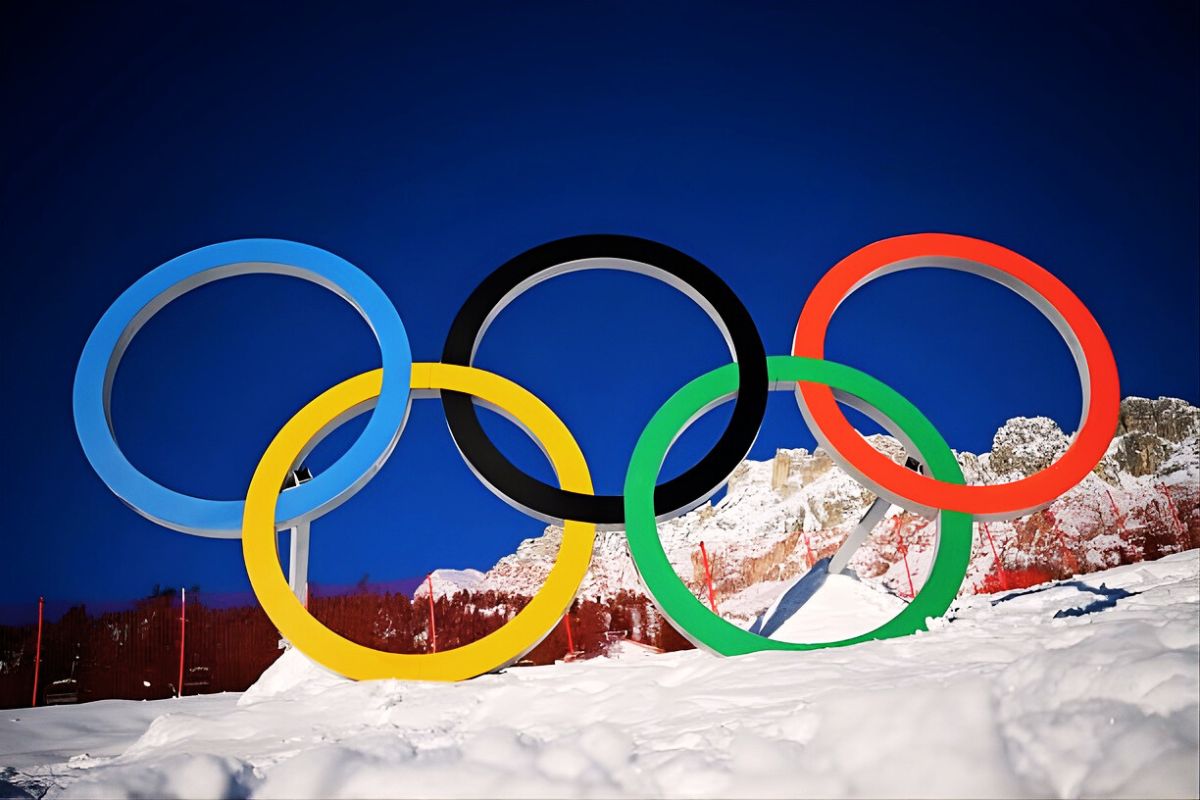
The XXV Olympic Winter Games, officially Milano Cortina 2026, kick off in northern Italy from Feb. 6–22, 2026. The joint host cities are Milan (in Lombardy) and Cortina d’Ampezzo (in the Dolomites); Italy is the first country to co-host a Winter Olympics across two main cities. Opening ceremonies are set for Feb. 6 at Milan’s San Siro Stadium, and the closing ceremony on Feb. 22 at the ancient Verona Arena.
In total the program spans 116 medal events in 16 disciplines across 8 sports. Two cauldrons will burn – one in Milan, one in Cortina – a first in Olympic history.
The Games are organized into four venue clusters in northern Italy (Milan, Cortina, Valtellina and Val di Fiemme, plus Verona). Most facilities already exist or are temporary structures: roughly 90% of the 25 venues are pre‑existing or built as temporary facilities. This reuse of venues is intended to cut costs and environmental impact.
But the spread‑out geography – over 400 km between Milan and the farthest Alpine sites – presents logistical and carbon‑footprint challenges. Organizers have upgraded transport links, yet spectators and staff will face lengthy travel and transit plans throughout the Alps.
New events and sports: Milano–Cortina 2026 debuts ski mountaineering (skiMo), with three new medal events (men’s sprint, women’s sprint and a mixed relay). Other new or revived events include men’s and women’s dual moguls in freestyle skiing, women’s large-hill ski jumping, men’s and women’s team combined in alpine skiing, and a mixed relay in skeleton.
Meanwhile traditional events have been tweaked: the alpine mixed parallel team event was dropped, and Nordic combined, ski jumping and alpine combined switch to two-person teams. For the first time, women’s cross-country races equal men’s distances. Notably, the NHL will pause its season, allowing stars from North America to compete in ice hockey for the first time since 2014.
Teams and star athletes: A record 92 National Olympic Committees and over 2,900 athletes are expected. Debut nations include Benin, Guinea-Bissau and the UAE. Russia and Belarus remain suspended; Russian and Belarusian athletes approved by the IOC will compete only as neutral “Individual Olympic Athletes” (with no flag).
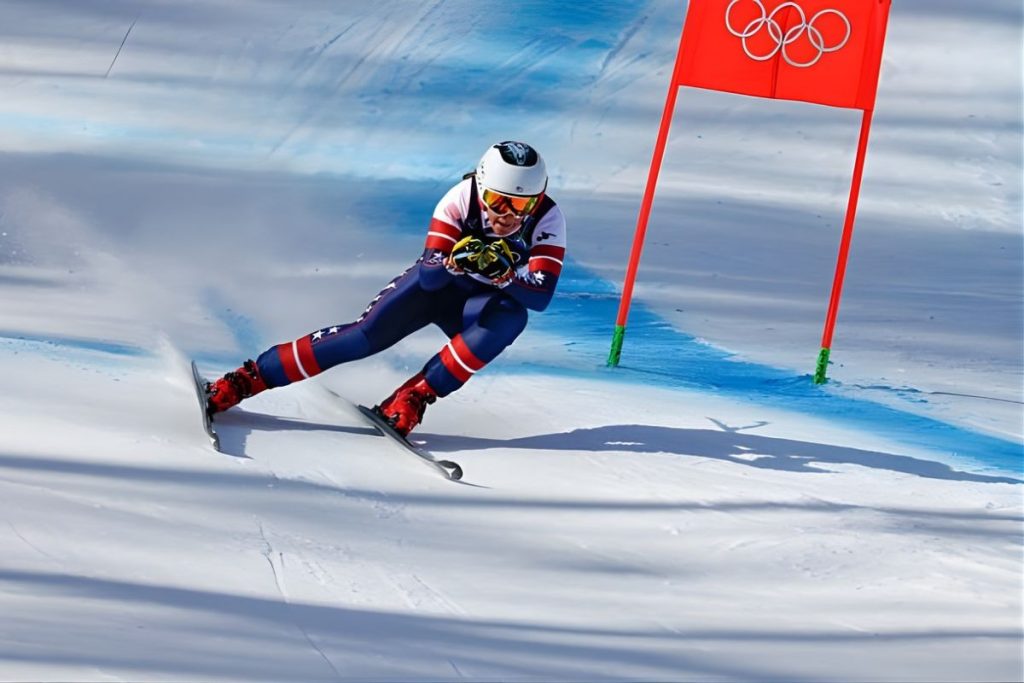
Major winter-sports powers – Norway, Germany, the United States, China, Canada and host Italy – are all vying for medals. Italy, as host, has announced a 196-athlete team (the country’s largest ever), led by short‑track speedskater Arianna Fontana and alpine skiers Federica Brignone, Sofia Goggia and Giovanni Franzoni.
Other notable names include Alpine ski champion Mikaela Shiffrin (USA), who will focus on slalom, giant slalom and the team event, and 41‑year‑old Lindsey Vonn (USA), the former downhill champion making a comeback despite a recent knee injury. In hockey, Team Canada will feature star Connor McDavid, who will make his Olympic debut on the ice. Team USA, Japan, and European squads also feature multiple Olympic medalists in skiing, skating, luge and biathlon.
Sustainability and infrastructure: The Milano Cortina bid emphasizes green goals: power from renewable energy, efficient snowmaking, and new electric mobility. By using mostly existing facilities (e.g. historic ski runs at Bormio and Cortina), organizers aim to avoid “white elephant” venues. However, environmentalists have raised concerns. The IOC itself warns that the widespread venue model – spanning the Alps – will increase travel and carbon emissions. Alpine warming has already forced greater reliance on artificial snow.
Controversy erupted when Greenpeace and other NGOs attacked the Games’ sponsor Eni (the state oil company), arguing that a fossil‑fuel giant undermines efforts to protect snow sports. The IOC and organizers point to a “strong focus on reducing their footprint” and investment in green technology, but activists counter that major sponsors must align with climate action. Budget overruns and tight schedules have also been reported: Italy’s state agency Simico warns that 90% of venues were completed only just before the Games.
Two high‑profile projects drew scrutiny: a new bobsleigh track in Cortina (completed at €120 m, uprooting ancient trees) and Milan’s Santa Giulia ice hockey arena (opened weeks before the Games, €70 m over budget).
Controversies and challenges: Among the immediate hurdles, local transport in Cortina is precarious. A critical new gondola lift from town to the mountain slopes fell behind schedule. Games officials briefly capped tickets and even closed schools on Feb. 10–12 to ease traffic jams, since cars remain the only direct access to Cortina’s events. Tickets for many events (notably biathlon and hockey) have sold out: by Feb. 2 roughly 1.2 million tickets were sold for the Olympics and Paralympics, with biathlon emerging as the top draw after hockey.
Broadcasters are setting up extensive coverage: NBCUniversal will air the Games in the U.S. (also streaming on Peacock); Italy’s state RAI holds the domestic rights; and the BBC will broadcast in the UK.
Significant challenges remain, from transport snags to geopolitical tensions (e.g. the Ukraine conflict that keeps Russia/Belarus on the sidelines). Organizers must prove their dispersed‐venue model can deliver a smoothly run Olympics. Key issues and controversies include:
-
Delayed Cortina cable car: The Apollonio–Socrepes gondola – crucial for Alpine skiing transport – is unlikely to open in time. Organizers capped spectator numbers for Cortina events and even closed local schools on big competition days to manage crowds.
-
Environmental protests: Climate groups have challenged the role of fossil‑fuel sponsors like Eni, noting that “the Winter Olympics need snow, not fossil fuels”. Critics warn that long-distance travel between venues will worsen the Games’ carbon footprint.
-
Construction delays: Several new facilities (the Cortina bobsleigh track, Milan ice arena, etc.) faced last-minute delays and cost overruns, raising questions about legacy use and expense.
Despite these issues, the stage is set for a spectacular Games. Medal favorites from skiing, skating, and hockey are arriving ready to compete, and national pride is high among the host communities.
As the Olympic cauldron is lit in Milan on Feb. 6, the Milano–Cortina organizers will be keen to demonstrate that their vision – a mountain festival of sport with an Italian flair – can overcome logistical hurdles and live up to its “harmony” theme.
Sources: Official Milano Cortina 2026 information and news reports from Associated Press, NBC Olympics, Reuters, The Guardian and Le Monde. (All facts cited above).




GIPHY App Key not set. Please check settings